


Published: 03/02/2026
Coronary Angiography: Detecting Narrowed Heart Arteries
Coronary angiography is one of the most important diagnostic procedures in cardiology. It allows physicians to obtain a detailed view of the coronary arteries that supply blood to the heart.
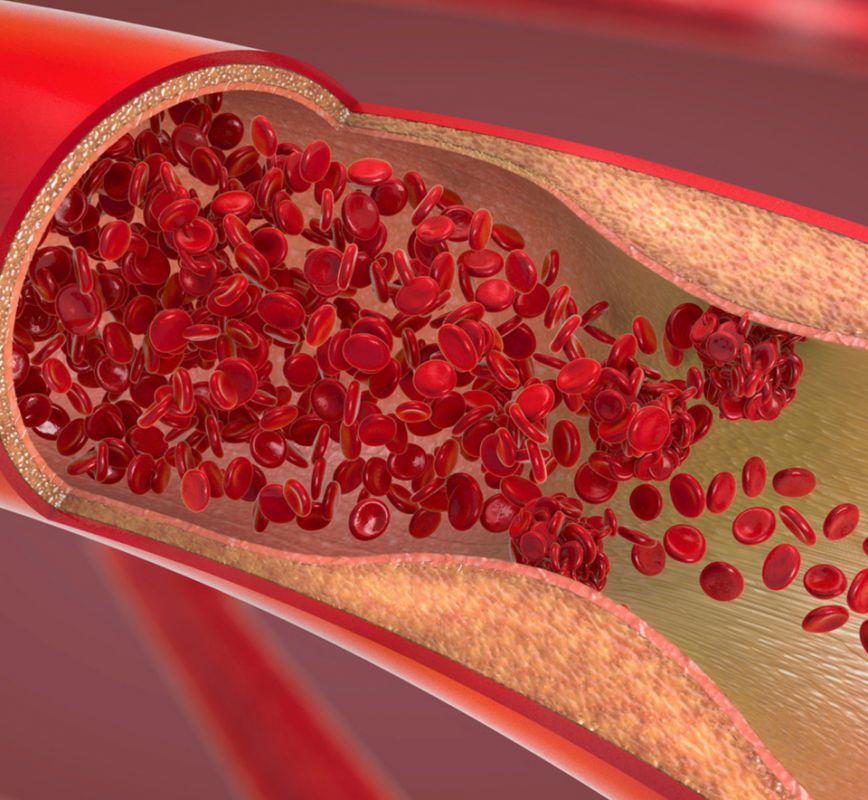
The procedure is primarily used when narrowing or blockage of the coronary arteries is suspected, such as in patients with coronary artery disease or a suspected heart attack.
If you are scheduled for a coronary angiography, it is natural to have questions. The following overview explains what the procedure involves, how it is performed, and what you can expect.
What Is Coronary Angiography?
Coronary angiography (coronary angiogram) is an X-ray imaging procedure used to examine the coronary arteries. During the procedure, a contrast agent is injected into the arteries, allowing physicians to clearly visualize the blood vessels and identify any narrowing or blockages on X-ray images.
It is a minimally invasive, non-surgical procedure performed under X-ray guidance in a cardiac catheterization laboratory and typically carried out under local anesthesia.
During the examination, a thin tube called a catheter is inserted into a blood vessel and carefully guided to the heart under X-ray imaging. The contrast agent is then injected to visualize blood flow through the coronary arteries.
This enables physicians to assess, for example:
- Narrowing of the coronary arteries
- Complete blockage of a coronary artery
- The extent of coronary artery disease
- The condition of the coronary arteries before planned cardiac surgery
When Is Coronary Angiography Recommended?
Your physician may recommend coronary angiography in the following situations:
- Chest pain (angina pectoris)
- Suspected coronary artery disease
- Inconclusive results from other diagnostic tests (e.g., a stress test)
- Suspected myocardial infarction (heart attack)
- Preparation for certain cardiac surgery procedures
The examination helps determine whether further treatment is needed, such as angioplasty or stent implantation.
When Is Coronary Angiography Recommended?
Your physician may recommend coronary angiography in the following situations:
- Chest pain (angina pectoris)
- Suspected coronary artery disease
- Inconclusive results from other diagnostic tests (e.g., a stress test)
- Suspected myocardial infarction (heart attack)
- Preparation for certain cardiac surgery procedures
The examination helps determine whether further treatment is needed, such as angioplasty or stent implantation.
Is the Procedure Painful?
Coronary angiography is performed under local anesthesia, so patients usually experience only mild pressure at the insertion site or a brief warm sensation when the contrast agent is injected.
The catheter itself moves through the blood vessels, which do not contain pain-sensitive nerve endings, so its movement is typically not felt by the patient.
How Long Does the Procedure Take?
Coronary angiography usually takes approximately 30 to 60 minutes, depending on the complexity of the examination and whether additional treatment is required.
After the procedure, patients are typically monitored for a period of time before returning to the ward or being discharged, depending on their clinical condition.
Returning to Daily Activities After Coronary Angiography
After the procedure, patients remain under medical supervision for a period of time. The duration of observation depends primarily on the access site used and the patient’s overall condition.
If the catheter was inserted through an artery in the wrist, recovery is usually faster. In most cases, patients can return to light daily activities as early as the day after the procedure.
If the procedure was performed through an artery in the groin, a slightly longer period of rest may be required to allow the puncture site to heal properly.
In general:
- Light daily activities (walking and routine household tasks) can usually be resumed within 24 hours.
- Strenuous physical activity and sports should generally be avoided for approximately 3 to 7 days.
- Driving is usually permitted after 1 to 2 days, unless otherwise advised by the physician.
Specific recommendations may vary depending on the course of the procedure and whether any additional intervention was performed, such as stent implantation. It is therefore important to follow the instructions provided by your healthcare team.
If you experience pain, significant bleeding, or swelling at the puncture site after returning home, you should contact your physician promptly.
What Are the Risks of Coronary Angiography?
Coronary angiography is a commonly performed procedure with a high level of safety.
However, as with any invasive procedure, certain risks may occur, including:
- Bleeding at the catheter insertion site
- An allergic reaction to the contrast agent
- Heart rhythm disturbances (arrhythmias)
- Damage to a blood vessel
Serious complications are relatively rare. Before recommending the procedure, your physician will carefully assess the expected benefits and weigh them against any potential risks.
How to prepare for Coronary Angiography
Before the procedure, your healthcare team will provide you with detailed instructions on how to prepare. These typically include:
- Information about any medications you are currently taking
- Temporary discontinuation of certain medications, if necessary
- Fasting before the procedure
- Routine pre-procedural examinations and tests
If you have any questions or concerns, it is always advisable to discuss them with your physician before the procedure.
Why Is Coronary Angiography Important?
Coronary angiography is considered one of the most accurate methods for diagnosing diseases of the coronary arteries. It enables physicians to identify the exact cause of a patient’s symptoms and determine the most appropriate treatment strategy.
For many patients, it is also the first step toward treatment that can significantly improve quality of life and help prevent serious cardiovascular complications.